Frequently Asked Questions
Frequently Asked Questions About Pest Control in Lakeland, Florida
At Pest Control Xperts, we believe that an informed homeowner is a protected homeowner. We know that dealing with pests in Central Florida can be confusing and stressful. Whether you are hearing noises in your attic in Plant City or seeing ants in your kitchen in Lithia, you likely have questions about how to solve the problem safely and effectively. We have compiled this comprehensive guide to answer the most common inquiries we receive from our neighbors in Lakeland, Mulberry, Bartow, Auburndale, and the surrounding communities. If you do not see your specific concern addressed below, please reach out to us for assistance. We are dedicated to providing clear communication and transparent service to help you maintain a safe and comfortable living environment.
General Pest Control Questions
Do you provide pest control services in my neighborhood?
We serve a broad area of Polk County and eastern Hillsborough County. Our primary service area includes Lakeland, Plant City, Lithia, Mulberry, Bartow, Auburndale, Winter Haven, and Highland City. We are familiar with the specific pest pressures in these neighborhoods, from the historic districts near Lake Hollingsworth to the new developments in FishHawk. If you live in these areas or the immediate vicinity, we are ready to help you.
Is your pest control safe for my children and pets?
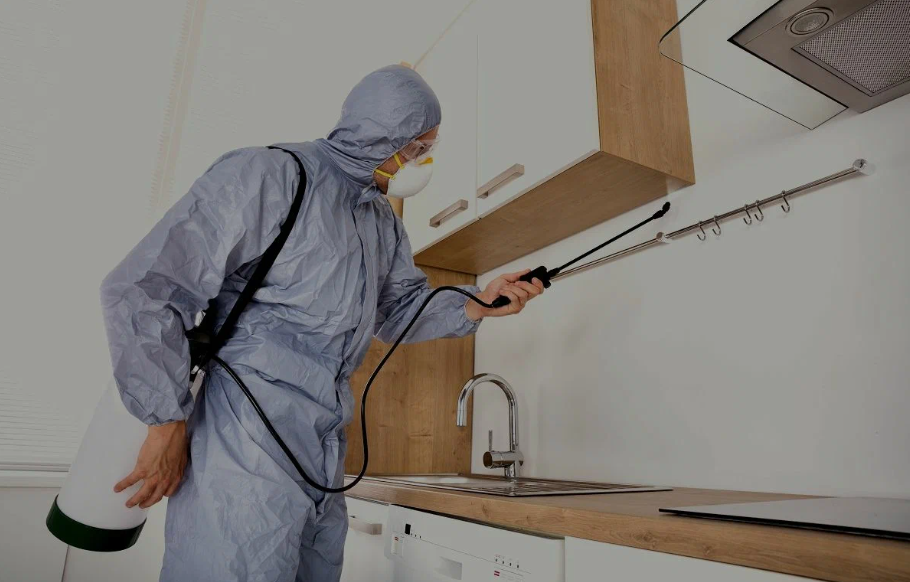
Safety is our top priority. We utilize safe pest management practices that focus on targeted application rather than broad spraying. When we treat your home, we apply products in cracks, crevices, and areas that are generally inaccessible to children and pets. We also use tamper resistant stations for rodent control. We will always provide you with specific instructions regarding re entry times or safety precautions based on the specific service we perform. Our goal is to eliminate the pest while keeping your family safe.
Do I need to leave my home during the service?
For most general pest control services, such as ant or roach treatments, you do not need to leave your home. We use low odor gels and baits that allow you to remain comfortable while we work. However, for specific intensive treatments like flea control or bed bug eradication, we may ask you to vacate the premises for a few hours to allow the products to dry completely. We will always inform you of this requirement well in advance so you can plan accordingly.
Do you offer green pest control or organic options?
We are committed to environmental responsibility. We practice Integrated Pest Management (IPM), which prioritizes inspection, sanitation, and exclusion over the heavy use of chemicals. When products are necessary, we select advanced formulations that break down efficiently and target the specific pest biology. We can discuss various low impact options that fit your preferences and effective pest management needs.
What should I do to prepare for my pest control service?
Preparation depends on the type of pest we are treating. For general maintenance, simply clearing clutter from baseboards and ensuring access to the kitchen and bathroom cabinets is helpful. For fleas, bed bugs, or roaches, more extensive preparation like vacuuming or emptying cupboards may be required. When you schedule your service, we will provide a clear checklist of steps to take to ensure the treatment is as effective as possible.
How does the Florida weather affect my pest control treatment?
Our frequent afternoon rains in Lakeland can concern homeowners regarding exterior treatments. However, professional grade products are designed to bind to surfaces and organic matter quickly. Once the product has dried, usually within 30 minutes to an hour, it becomes rain resistant. In fact, water can sometimes help granular baits settle into the soil where insects live. If we believe the weather will severely compromise a treatment, we will reschedule to ensure you get the best results.
Why do I see more bugs after you treated my home?
This is a very common occurrence known as the “flushing effect.” Many of the products we use, particularly for roaches and ants, are designed to stimulate the pests and drive them out of their hiding spots. This forces them to cross our treated barriers and consume baits. Seeing an increase in activity for a few days after service often means the treatment is working effectively to disrupt the nesting sites.
Ant Control Questions
Why do I have ants in my clean kitchen?
Ants are driven by the search for resources, primarily moisture and food. Even a spotless kitchen can attract ants if there is a water source, such as condensation on a pipe or a pet water bowl. Furthermore, during heavy rains or extreme heat in Lakeland, ants often migrate indoors simply seeking shelter. Species like Ghost ants have high moisture needs and will enter clean homes just to find a damp environment.
Will spraying store bought repellent stop the ants?
Using repellent sprays on certain ant species, especially Pharaoh ants or Ghost ants, can actually make the problem worse. These ants have a biological defense mechanism called “budding.” When they detect a threat like a strong chemical odor, the colony splits into multiple smaller colonies and spreads to different parts of the house. We use non repellent baits that ants do not detect, allowing them to carry the active ingredient back to the queen for total colony elimination.
Do you handle Fire Ants in the yard?
Yes, we provide fire ant control for lawns and landscapes. Fire ants in Central Florida can be aggressive and dangerous to pets and children. Treating individual mounds often causes them to just move a few feet away. We use broadcast treatments that cover the yard to address foraging ants and prevent new mounds from forming, providing protection for your outdoor space.
How do I get rid of big black ants in my bathroom?
Large black ants inside the home are often Carpenter Ants. They are likely scouting for water or a nesting site in damp wood. Finding them in the bathroom suggests there may be a moisture issue, such as a slow leak behind the tile or wall. We treat these by locating the nest, which may be indoors or in a tree outside, and treating the voids where they live. Fixing the moisture source is also essential for long term control.
Bed Bug Eradication Questions
How did I get bed bugs if I have not traveled recently?
While travel is a common cause, bed bugs are excellent hitchhikers and can enter your home in many ways. They can be brought in on used furniture, carrying bags that were placed on the floor in public places, or by guests visiting your home. In multi unit housing like condos or apartments, they can also migrate through wall voids from neighboring units. They are not a sign of poor hygiene.
Do I need to throw away my mattress?
In the vast majority of cases, you do not need to discard your mattress or furniture. We can treat these items effectively. We often recommend installing high quality mattress encasements after treatment to lock out any future pests and trap any remaining stragglers. Disposing of furniture can be expensive and unnecessary if professional treatment is applied correctly.
Why is bed bug preparation so difficult?
Bed bugs can hide in the head of a screw or the spine of a book. To eliminate them, we must treat every potential hiding spot. Clutter provides infinite harborage areas that protect bed bugs from treatment. By bagging clothes, clearing floors, and stripping the bed, you force the bugs into the open and allow our products to reach the cracks and crevices where they are hiding. Proper preparation is the single biggest factor in the success of the service.
Can I sleep in my bed after treatment?
Yes, and we actually encourage it. Bed bugs are attracted to the carbon dioxide you exhale while sleeping. If you sleep in a different room, the bugs may migrate to find you, spreading the infestation to a new area. Once the treatment has dried, sleeping in your bed encourages the bugs to come out and cross the treated barrier, which is necessary to kill them.
Roach Control Questions
What is the difference between German Roaches and Palmetto Bugs?
This is a critical distinction. German roaches are small, light brown, and infest indoor areas like kitchens and bathrooms. They are a sanitation pest and breed rapidly inside the home. Palmetto bugs (American Roaches) are large, reddish brown, and typically live outdoors in mulch and trees. They enter homes largely by accident or to find water. The treatment for German roaches involves baiting and growth regulators indoors, while Palmetto bugs are best controlled by sealing entry points and treating the exterior perimeter.
I keep my house clean, so why do I have roaches?
While sanitation helps, German roaches can be introduced via grocery bags, delivery boxes, or used appliances. Once inside, they can survive on tiny amounts of grease, glue, or toothpaste. Palmetto bugs are environmental intruders; they come inside due to weather changes like heavy rain or cold snaps in Lakeland. Their presence is often related to gaps in your home’s exterior envelope rather than cleanliness.
How do I stop roaches from coming up the drains?
Roaches live in the sewer system and can navigate dry plumbing pipes. To prevent this, ensure that you run water regularly in all sinks, tubs, and floor drains to keep the P trap (the U shaped pipe) full of water. This water barrier stops sewer gases and roaches from entering. We also treat wall voids around plumbing penetrations to catch any that bypass the trap.
Are roach baits safe to use around food?
We use professional gel baits that are applied in tiny dots inside cracks and crevices of hinges and corners. We never apply product directly to food preparation surfaces. The bait stays contained in the hiding spots where roaches congregate, keeping your countertops and food storage areas safe from contamination.
Termite Control Questions
How do I know if I have termites or flying ants?
During swarm season in Lakeland, it can be hard to tell. Termites have a thick, undefined waist, straight antennae, and wings that are all equal in length. Ants have a pinched waist, bent antennae, and wings of unequal length. If you see a swarm inside your home, please save a sample in a baggie for us to identify. A swarm inside usually indicates a mature colony is present nearby.
Do stucco homes get termites?
Absolutely. While termites do not eat stucco or concrete, they travel through cracks in the stucco to reach the wood framing inside the walls. Florida building codes often require wood to ground contact be minimized, but settling cracks and landscaping can bridge this gap. Subterranean termites are experts at finding tiny fissures in the slab or foundation to enter your home.
How often should I have a termite inspection?
We recommend a professional termite inspection at least once a year. Termite damage is slow but cumulative. Catching an infestation early can save you thousands of dollars in structural repairs. In our high risk area of Central Florida, vigilance is the best defense against these silent destroyers.
What is the difference between a liquid treatment and bait stations?
Liquid treatments create a continuous treated zone in the soil around your foundation that eliminates termites as they try to pass through it. Bait stations are placed around the perimeter to intercept foraging termites; they consume the bait and share it with the colony, eliminating it. Both are effective, and we can recommend the best option based on your home’s construction type and soil conditions.
Rodent and Wildlife Questions
I hear scratching in the attic. Is it a rat or a raccoon?
The time of day and the sound can give us clues. Rats and mice are typically active at night and make scratching or light scampering sounds. Raccoons or squirrels are heavier and may sound like thumping or walking. Raccoons are also often active at dawn or dusk. We perform a thorough inspection of the attic and roof to identify the intruder based on droppings, entry points, and nesting habits.
Why do rats keep coming back after I trap them?
Trapping removes the current population, but if you do not seal the entry points, new rodents will simply follow the pheromone trails left by the old ones. Rodent control is a two step process: removal and exclusion. We focus heavily on finding and sealing the small gaps in roof returns, vents, and eaves to permanently lock them out.
Do you use poison to kill rats in the house?
We generally avoid using rodenticides inside the living space or attic because a rodent may die in an inaccessible wall void, causing a terrible odor and attracting flies. We prefer to use mechanical traps indoors to ensure we can remove the carcass. We may use tamper resistant bait stations on the exterior to reduce the overall population pressure around your home.
How small of a hole can a mouse fit through?
Mice can squeeze through an opening the size of a dime, and rats can fit through a hole the size of a quarter. This is why exclusion work requires such detail. We use materials like copper mesh and concrete that rodents cannot chew through to seal these tiny gaps around utility lines and AC chases.
Flea and Tick Questions
Can fleas live in my home if I have hardwood floors?
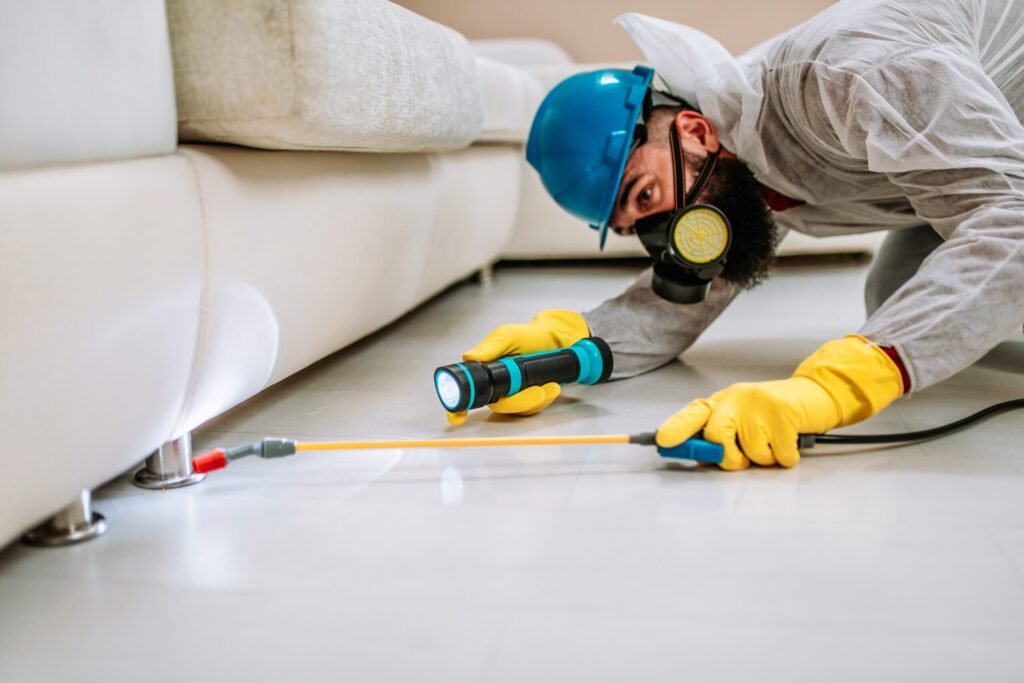
Yes. While fleas prefer the protection of carpet fibers, they can also thrive in the cracks between hardwood boards and along baseboards. Debris and pet hair collect in these crevices, providing food for flea larvae. We treat these cracks and crevices specifically to target the developing population.
Why do I still see fleas after you treated?
This is a normal part of the process. The pupal (cocoon) stage of the flea is water tight and resistant to sprays. After treatment, you may see new adults hatching from these cocoons. However, because we have treated the surface, these new adults will be exposed to the product and die shortly after. Daily vacuuming helps stimulate them to hatch sooner, speeding up the elimination process.
Do you treat the yard for ticks?
Yes, ticks in Lakeland often wait in the transition zones between your lawn and wooded areas or in tall shrubs. We treat these specific harborage areas to reduce the tick population. We also recommend keeping grass mowed short and removing leaf litter to make the environment less suitable for ticks.
Will your treatment kill the fleas on my dog?
Our treatment is for the environment (your home and yard). It is essential that you treat your pets with a veterinary approved product on the same day we treat your home. This prevents the pet from acting as a reservoir and reintroducing fleas into the clean environment.
Spider and Other Pest Questions
Are the spiders in my pool cage dangerous?
Most spiders found in pool cages, like the Spiny Orb Weaver, are not dangerous to humans, but they are messy and unsightly. However, the accumulation of webs can make your outdoor space unusable. We provide de webbing services to remove these spiders and their egg sacs, keeping your lanai clean and comfortable.
How do I stop Silverfish from eating my books?
Silverfish feed on starch and are drawn to humidity. They are often found in attics or closets damaging paper, glue, and clothing. Reducing humidity with a dehumidifier and removing old cardboard boxes helps. We also treat the attic and storage areas to eliminate the population and protect your belongings.
What are the tiny flying bugs in my kitchen drain?
These are likely Drain Flies or Fruit Flies. Drain flies breed in the organic slime that builds up inside pipes. Pouring bleach down the drain rarely works long term. The drains need to be physically cleaned with a brush and an enzymatic cleaner to remove the breeding material. We can help identify the source and guide you on proper sanitation.
Do you handle wasps and hornets?
Yes, stinging insects can be a serious safety hazard. We safely remove wasp nests and hornet hives from eaves, soffits, and bushes. We recommend you do not attempt to knock down a large nest yourself, as this can trigger an aggressive swarm attack.
Service and Scheduling Questions
Is there a local pest control service near me that responds quickly?
Yes, Pest Control Xperts is locally operated right here in the Lakeland area. We understand that when you have a pest issue, you want it resolved fast. We strive to offer responsive scheduling to address urgent needs for our neighbors in Polk and Hillsborough counties.
Do you offer preventative maintenance plans?
Yes, we believe prevention is the best method of pest control. We offer scheduled maintenance plans that keep a protective barrier around your home year round. This allows us to catch potential issues early and stop pests before they enter your living space.
What areas do you serve?
We are proud to serve a wide region of Central Florida. Our service area includes Lakeland, Plant City, Lithia, Mulberry, Bartow, Auburndale, Winter Haven, Highland City, Dover, and the surrounding neighborhoods. If you are unsure if you are in our territory, just reach out to us for assistance.
Conclusion
We hope this FAQ page has helped answer your questions about pest management in Lakeland. At Pest Control Xperts, we are dedicated to providing honest, effective, and safe solutions for your home and business. We know that every property is unique, and we are ready to listen to your concerns and develop a plan that works for you. Whether you are dealing with termites, rodents, or just need general prevention, we have the expertise to get the job done right.
If you have more questions or are ready to schedule a service, we are here to help.
Contact us today.